
Travelling in Nepal- A Complete Visitors' Guide
Introduction to Nepal: The Land of Himalayas and Cultural Wonders
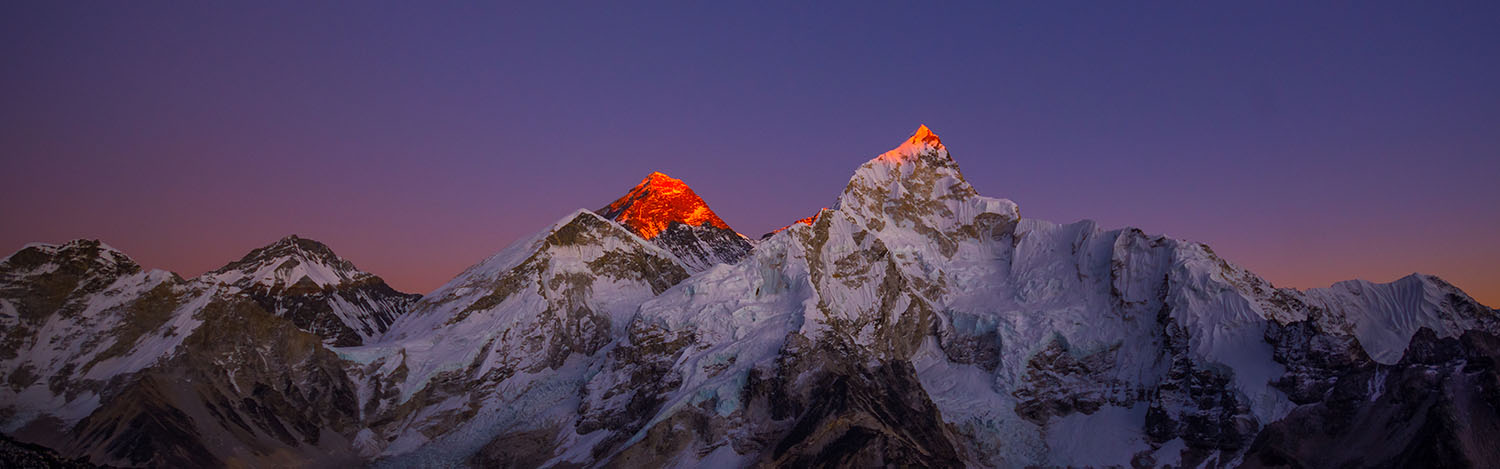
Meanwhile, Nepal isn’t just the roof of the world — it’s a place that grabs you right away, with landscapes that make your jaw drop and a culture that’s always alive. The country sits snug in South Asia, surrounded by giants. Eight of the world’s ten highest peaks rise from its soil, including the mighty Everest at 8,848 meters. People come for the mountains, sure, but they end up falling for the whole package: snowy trails, ancient temples, wild festivals, and a rhythm of daily life you can’t find anywhere else.
Actually, the Himalayas steal the show here. Everest towers over everything in the Khumbu region, drawing trekkers from every corner of the planet. The Annapurna circuit, at 8,091 meters, offers trails that wind through scenery so beautiful it barely feels real. Then there’s Langtang Valley, which sits lower at 3,870 meters but still packs a punch — think forests of blooming rhododendrons and herds of yaks grazing in open meadows. These mountains aren’t just a backdrop; they’re the heart of Nepal’s adventure.
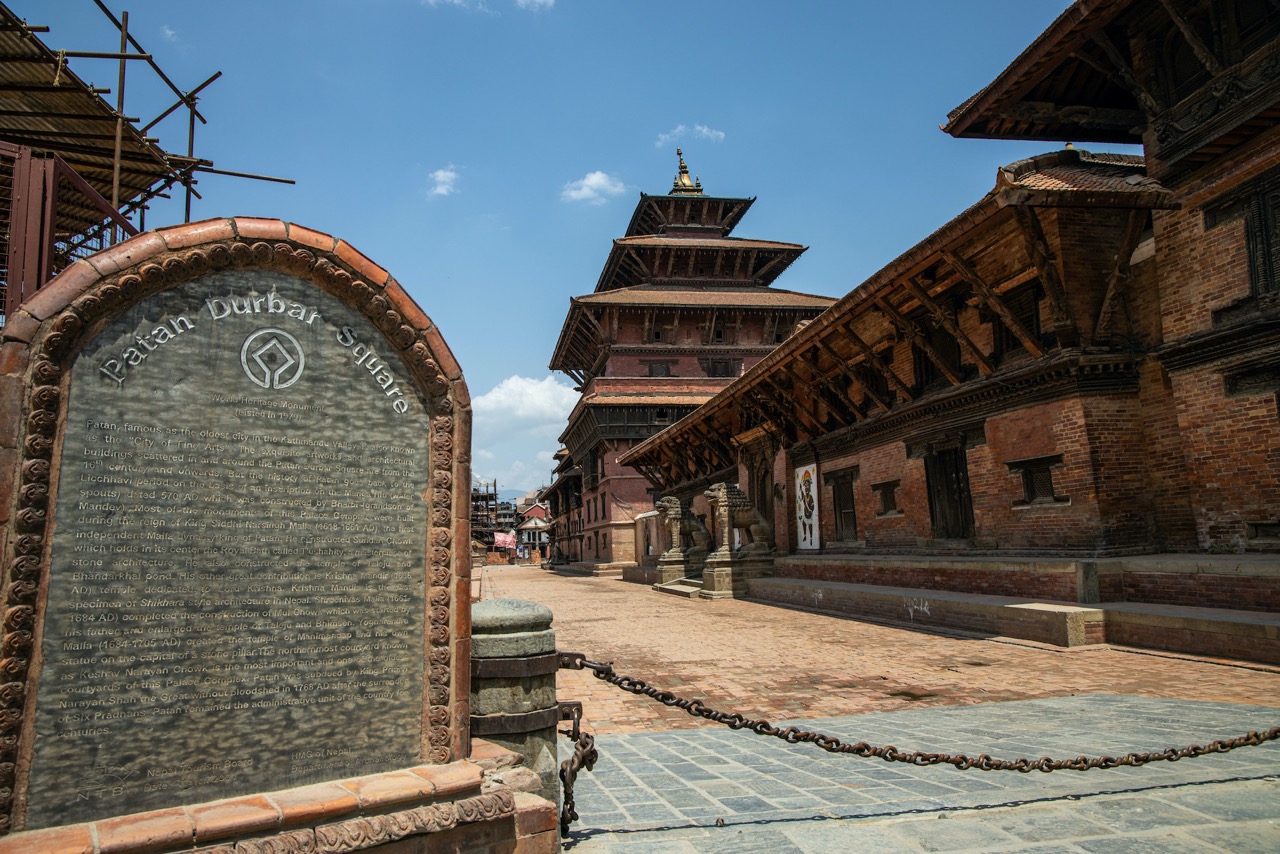
But there’s way more to Nepal than altitude. Kathmandu, the capital at 1,400 meters, is chaos and charm rolled into one. You’ll wander through UNESCO World Heritage sites like the Swayambhunath Stupa, where monkeys dart between ancient Buddhist shrines. Durbar Square is packed with medieval palaces and bustling local markets. If you’re lucky, you’ll catch a festival like Dashain, when the whole city lights up with music, dance, and celebration. In short, Kathmandu is where Nepal’s rich past and energetic present collide.
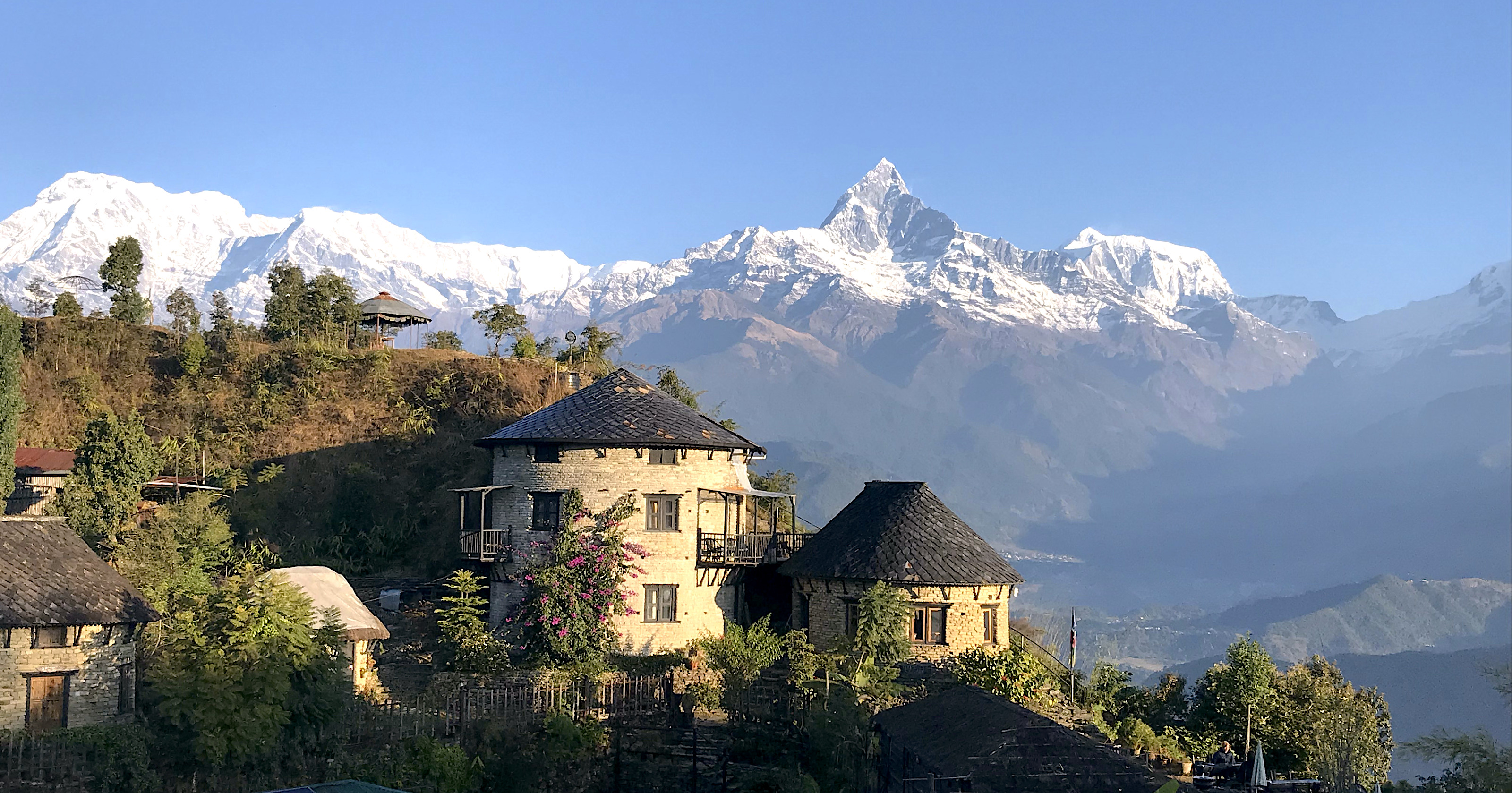
Further west, Pokhara (827 meters) slows things down. Its peaceful lakes reflect the snow-capped peaks, and adventure seekers can paraglide over Phewa Lake, taking in Machhapuchhre’s striking silhouette. If you just want to soak it all in, grab a boat or hike up to the World Peace Pagoda for a sunset that feels almost unreal. Nearby Sarangkot (1,592 meters) is the go-to spot for sunrise views of the Annapurna range — just you, the mountains, and the morning light. Pokhara is the place to catch your breath, unwind, and get a different taste of Nepal.
When you’re ready for something different, Chitwan National Park (150 meters) brings you deep into Nepal’s subtropical wilds. Here, you can spot rhinos, tigers, and elephants on a jungle safari or drift down the Rapti River, watching crocodiles slide into the water. Evenings often end with Tharu cultural performances — a reminder that Nepal’s diversity isn’t just natural, but cultural too.
And if you’re searching for peace, Lumbini (150 meters) is about as sacred as it gets. This is where Buddha was born. Pilgrims from all over the world come to see the Maya Devi Temple, its ancient ruins, and the calm, holy pond. The area buzzes with monasteries and centuries of Buddhist history.
Here, don’t skip Bandipur, either. Perched at 1,030 meters, this hilltop village is a living postcard of Newari architecture, with cobblestone streets and traditional homes. Walk to the Khadga Devi temple or out to viewpoints overlooking the countryside. Stay in a local homestay, and you’ll get a genuine taste of rural Nepalese life.
What ties all of these places together is Nepal’s crazy range of elevations. From the flat Terai plains at just 60 meters to those towering 8,000-meter peaks, the landscape keeps changing — and so does the weather. Monsoon paints everything green, while autumn brings skies clear enough to see forever. There’s never a wrong time to go. Nepal always has something new to offer, whether you’re chasing adventure in the mountains or soaking up culture in the valleys.
Top Himalayan and cultural sites with elevations:
| Site Name | Elevation (m) | Key Highlights Best For |
| Mount Everest | 8,848 | World's highest peak, base camp treks Adventure trekking, Nepal Himalayas. |
| Kathmandu Valley | 1,400 | UNESCO temples, vibrant festivals Cultural wonders, Nepal heritage. |
| Annapurna Range | 8,091 (peak) | Circuit hikes, diverse landscapes Scenic views, Nepal travel. |
| Pokhara | 820 | Lakes, paragliding, mountain vistas Relaxation, adventure sports. |
| Chitwan National Park | 150 | Wildlife safaris, Tharu culture Nature, biodiversity. |
| Nagarkot | 2,195 | Sunrise Himalayan panoramas Short escapes from Kathmandu. |
Visa Requirements: How to Enter Nepal Hassle-Free
Here, getting into Nepal isn’t complicated, and with a bit of planning, you’ll breeze through the visa process. Most travelers can just show up at Tribhuvan International Airport in Kathmandu and grab a tourist visa right there. It’s simple, and that’s part of what keeps Nepal’s tourism scene thriving. If you want to move even faster, fill out the visa application online before you go—just print the barcode receipt and bring it with you.
Before you book your flight, double-check if you’re eligible for a visa on arrival. Almost everyone is, except for a handful of countries like Nigeria and Afghanistan—you folks need to get approval in advance. Indian citizens don’t need a visa at all, just a valid ID. If you’re from a SAARC country, you get your first visa for free. So, make sure you know your category to avoid surprises.
Now, paperwork—keep it simple. Bring a passport that won’t expire for at least six months and has blank pages. You’ll need a recent passport photo, and you’ll fill out a quick arrival form. Sometimes, officials ask for proof of onward travel, so have that handy. These basics keep you from getting stuck at the border.
About the fees: they’re reasonable and depend on how long you want to stay. You can pay in US dollars, other major currencies, or even by card at the airport. Knowing the cost ahead of time saves hassle at the counter.
Need more time in Nepal? You can extend your visa at the Department of Immigration in Kathmandu, up to a total of 150 days per year. Extensions start at a minimum of 15 days, each extra day adds a bit more to your bill. If you overstay, even just under the 150-day mark, you’ll pay a fine—so plan your trip carefully.
Here, the online application is your friend. Fill it out on the official immigration website before you go, print your barcode, and you’ll spend less time waiting in line once you land.
Not flying in? Nepal’s land borders are open, too. Places like Kakarbhitta or Birgunj offer on-arrival visas, and a lot of travelers from India use these crossings. If you’re driving, make sure you sort out vehicle permits before you reach the border.
Likewise, keep an eye out for any updates to visa rules for 2026. Check official government websites or your local embassy for the latest info, especially if global events shake things up. Stay on top of any COVID protocols, too. If you play by the rules, you’ll be free to enjoy Nepal’s mountains and culture without a hitch.
List of Nepal Tourist Visa Fees and Details:
- 15-Day Multiple-Entry Visa: Costs USD 30; Ideal for short Nepal travel trips focusing on key sites like Kathmandu (1,400 m).
- 30-Day Multiple-Entry Visa: Priced at USD 50; Suits moderate stays exploring Himalayas Nepal and Pokhara (827 m).
- 90-Day Multiple-Entry Visa: Fee of USD 125; Perfect for extended Nepal tourism including treks to Annapurna (8,091 m).
- Extension Fees: USD 45 for first 15 days, then USD 3 per day; Maximum 150 days per calendar year.
- Gratis Visas: Free for children under 10, SAARC first-time visitors, and certain diplomats.
- Late Fines: USD 5 per day for delays under 150 days; Avoid by timely extensions.
Best Time to Visit: Understanding Nepal's Seasons and Weather Patterns
If you’re wondering when to visit Nepal in 2026, it all comes down to the seasons. Nepal’s weather changes a lot throughout the year, and the right timing makes all the difference—especially if you’re hoping for clear skies and great trekking. Most people aim for autumn or spring, when the weather is at its best and the scenery is incredible. You’ll want to skip the monsoon season unless you’re up for muddy trails and unpredictable downpours.
Actually, Nepal has four main seasons, each with its own personality. Autumn, from September to November, is the superstar. The air turns crisp, the skies clear up, and those mountain views—just stunning. This is the prime window for tackling famous treks like Annapurna or Everest Base Camp. Even Kathmandu comes alive, packed with festivals and perfect weather for exploring the city. If you want the classic Nepal experience, autumn is hard to beat.
Spring, from March to May, is a close second. The hills erupt in rhododendron blooms, and the temperatures feel just right for hiking. Pokhara gets warm—great for paragliding or just relaxing by the lake. Trails near Langtang light up with flowers, making this the season for photographers and families looking for gentler adventures.
Actually, Monsoon season, June through August, flips the script. Rain drenches the lowlands and clouds roll in, especially around places like Chitwan. Trekking gets tricky, but there’s a silver lining: fewer tourists and lower prices. If you don’t mind a little rain, you’ll get lush scenery and dramatic waterfalls, especially near Pokhara. It’s not everyone’s pick, but budget travelers and solitude seekers find plenty to love.
Then comes winter, December to February. Nights get cold, especially at altitude, but the valleys stay sunny and pleasant. Chitwan National Park is at its best for spotting wildlife, and Kathmandu hosts cozy indoor festivals that brighten up the season. Winter’s quieter pace suits anyone looking to explore Nepal without the crowds.
Here, one thing you can’t ignore: elevation. The higher you go, the colder it gets—Everest stays icy even in autumn, while spots like Lumbini remain mild all year. Smart trekkers pack layers and keep an eye on the forecast, especially if they’re heading into the mountains.
Likewise, festivals are another huge piece of the puzzle. Autumn bursts with energy during Dashain and Tihar in Kathmandu, while spring brings Losar celebrations in Buddhist regions. Time your visit right, and you’ll get a deeper taste of Nepal’s culture along with the beautiful landscapes.
If you’re looking to dodge the busiest weeks but still want good weather, try May or September. These shoulder months balance smaller crowds with decent conditions, and you’ll probably snag better deals on hotels. No matter your budget or travel style, there’s a perfect season waiting for you in Nepal. Just pick your moment and go.
Nepal Seasons Overview:
| Season | Months | Weather Patterns | Best For Key Elevations |
| Autumn | Sep-Nov | Clear skies, mild temps | Trekking in Nepal, views Everest (8,848 m), Annapurna (8,091 m). |
| Spring | Mar-May | Blooming flowers, warm days | Best time to visit Nepal, photography Pokhara (827 m), Kathmandu (1,400 m). |
| Monsoon | Jun-Aug | Heavy rain, lush green | Budget Nepal tourism, wildlife Chitwan (150 m). |
| Winter | Dec-Feb | Cold nights, sunny days | Cultural festivals, low crowds Lumbini (150 m), valleys. |
Currency Essentials: Using Nepalese Rupees and Managing Your Budget
If you’re heading to Nepal, you’ll need to get comfortable with the Nepalese Rupee—it’s the only currency accepted everywhere. Don’t stress, though. With a bit of planning, handling money in Nepal is straightforward.
Here, start by swapping your cash for rupees as soon as you land in Kathmandu. The airport has counters open all day and night, but if you’re looking for better exchange rates, check out banks in places like Pokhara. Skip the unofficial money changers—they might promise more, but it’s not worth the risk.
Similarly, ATMs are all over the bigger cities and tourist spots. Most machines take Visa and Mastercard, and you can take out up to 35,000 at once NPR a day at some banks, though there’s usually a small fee. Before you go, let your bank know you’ll be in Nepal so they don’t freeze your card. Having access to ATMs makes life a lot easier, especially when you’re moving between cities.
Likewise, you can use your card in many hotels and restaurants around Kathmandu, but once you head out to more remote places—think Annapurna or the Everest region—cash is king. It’s smart to budget about 5,000 to 8,000 NPR per person each day. That covers meals, basic transport, and a place to sleep. Mixing cash and cards gives you more flexibility and helps you avoid extra fees.
Moreover, keep an eye on exchange rates, too. As of March 2026, one US Dollar gets you about 147 Nepalese Rupees, but that number can change. Use reliable apps or check with local banks to make sure you’re getting a fair rate. It’s also better to exchange larger sums in cities like Pokhara, rather than smaller or rural areas.
If you’re aiming for high-altitude adventures, your budget needs a bit more padding. Treks to Everest or Annapurna cost more—permits, gear, food, and accommodation all add up. Plan for about 2,000 to 4,000 NPR a day for food and lodging in lower-altitude villages, and don’t forget to include transport costs, especially if you’re coming from farther south, like Chitwan.
Before you leave Nepal, exchange any leftover rupees back to your home currency at the airport. The fee’s small, and it helps you avoid stuck-with-useless-cash syndrome. Hang on to a few small notes for tips or last-minute snacks.
A few quick security tips: use the hotel safe in places like Lumbini or other tourist hubs, and try to withdraw cash during the day, in busy areas. A little caution goes a long way and helps keep your trip smooth and stress-free.
List of Nepal Currency Tips:
- Current Rate: 1 USD ≈ 147 NPR (March 2026); Check daily for currency exchange Nepal accuracy.
- ATM Limits: Up to 35,000 NPR per transaction; Expect 500-700 NPR fees at banks.
- Best Exchange: Banks and authorized centers in Kathmandu (1,400 m) beat airport rates.
- Card Acceptance: High in Pokhara (827 m) and tourist zones; Carry cash for Annapurna (8,091 m) trails.
- Daily Budget: 5,000-10,000 NPR covers mid-range Nepal tourism including meals and transport.
- Security Note: Inform banks and use ATMs inside branches for safe managing budget Nepal travel.
- This list streamlines Nepal currency decisions. It includes practical costs and tips. Apply it to strengthen your budget travel Nepal strategy.
Getting There: Flights, Borders, and Entry Points
Traveling to Nepal is pretty straightforward, whether you’re coming in by air or overland. Most people fly straight into Tribhuvan International Airport in Kathmandu, which sits at 1,400 meters and handles the bulk of international arrivals. Big airlines like Qatar Airways, Turkish Airlines, and Flydubai have regular flights landing here every day. The visa-on-arrival system at Tribhuvan runs smoothly, so you won’t waste time in long lines. Honestly, if you’re flying in from abroad, this is usually the easiest way to start your trip.
But Kathmandu isn’t your only option. Pokhara International Airport is a newer hub and takes some of the pressure off Kathmandu. Some international flights now land directly in Pokhara (at 827 meters), which is great if you want to jump right into adventures around the Annapurna region. There’s also Gautam Buddha International Airport near Lumbini (150 meters), though flights here are more limited. Still, it’s a nice alternative if you want to start your journey closer to southern Nepal or the birthplace of Buddha.
If you’re traveling overland, the borders from India are wide open. Popular crossings like Sunauli (Belahiya), Birgunj, and Kakarbhitta get you in from places like Delhi or Varanasi. Indian nationals don’t need a visa, and everyone else can grab one at the border. Buses run from these entry points straight to Kathmandu, so the trip’s pretty direct. It’s a solid choice for anyone coming from northern India or looking for a more budget-friendly route.
Here, there are also northern border crossings from China, though they’re more limited. Rasuwagadhi (near Kerung) is the main one for overland trips from Tibet, but you’ll need a Chinese permit as well as a Nepal visa. Gyirong Port is another option for select crossings. These northern routes mainly appeal to those seeking a bit more adventure or coming from the Tibetan plateau.
One thing to keep in mind: land borders sometimes close temporarily—like during the elections in March 2026. Airports aren’t affected, but it’s smart to check official updates before you set out, just in case.
Likewise, make sure your passport is valid for at least six months, and have your onward ticket ready. Bring cash for visa fees at land borders, and if you want to speed things up, pre-apply online before you arrive. A little prep goes a long way for a smooth arrival.
In fact, mixing travel modes works well too. You can fly into Kathmandu and catch a domestic flight to more remote areas, or, if you’re on a tighter budget, use the land borders to get to places like Chitwan. All these options make getting into Nepal—and up into the Himalayas—pretty simple.
Major Nepal Entry Points:
| Entry Point | Type Location/Elevation | Best For Notes |
| Tribhuvan International Airport | Air Kathmandu (1,400 m) | International flights to Nepal Primary hub, visa on arrival. |
| Pokhara International Airport | Air Pokhara (827 m) | Direct to Annapurna region Alternative airport option. |
| Gautam Buddha International | Air Lumbini area (150 m) | Southern access Limited international flights. |
| Sunauli (Belahiya) | Land India border | From Varanasi/Delhi Popular tourist crossing |
| Birgunj/Raxaul | Land India border | Central India entry Visa on arrival available. |
| Kakarbhitta | Land Eastern India border | From Kolkata area Easy bus connections. |
| Rasuwagadhi | Land China/Tibet border | Overland from Lhasa Requires permits. |
Transportation in Nepal: From Buses to Domestic Flights and Taxis
Here, getting around Nepal in 2026 is a bit of an adventure in itself. You’ve got a mix of options—domestic flights, tourist buses, taxis, even some local rides if you want to blend in. If you plan it right, you’ll save money and time, and honestly, it makes a huge difference to your trip.
Now, let’s start with domestic flights. They're the quickest way to reach Nepal’s remote and mountainous regions. Buddha Air and Yeti Airlines, for example, can get you from Kathmandu to Pokhara in about 25 minutes. Heading to Everest? Flights to Lukla are a lifeline for trekkers. The catch: flights almost always leave in the morning because the winds pick up later, so you need to plan your day around that. Still, if you want to maximize your adventure time, flying is the way to go.
Actually, tourist buses are another solid choice, especially for longer trips between cities. The deluxe coaches running from Kathmandu to Pokhara have AC, make regular stops, and the ride takes around 7 to 8 hours. Tickets usually run between $8 and $15, which isn’t bad considering the comfort and the views. Companies like Greenline have a reputation for safety, so you can relax a bit. If you’re traveling with friends or on a budget, these buses hit the sweet spot.
Likewise, local buses are even cheaper, though you trade comfort for savings. In the Kathmandu valley, a city bus ride costs about NPR 20 to 100. Long-distance local buses head out to places like Chitwan, and while they’re slow, they get you there for less. Microbuses are another option—flexible routes, still affordable. Locals use these all the time, and backpackers who want the real deal usually hop on too.
When you’re in the city, taxis and ride-shares make things easy. Metered taxis in Kathmandu or Pokhara charge NPR 300 to 1,000 for a short ride. You can also use apps like Pathao and InDrive for set prices, which takes the guesswork out. Still, it’s smart to agree on a fare before you get in, so you don’t get overcharged. For quick, hassle-free trips around town, taxis and ride-shares are hard to beat.
Now, if you’re flying to Lukla for Everest, you need to stay on your toes. One-way flights for foreigners will cost about $190 to $220 in 2026, and weather delays are common, so always build in a buffer day or two. Helicopters are an option if you’re in a pinch, but they’ll cost you a lot more. A little extra planning here saves you stress when you’re heading up into the high mountains.
For places like the Annapurna trails, mixing up your transport is best. Fly to Pokhara, then grab a bus or jeep, maybe a quick taxi from the airport. Using different types of transport saves you time and cuts down on costs, especially for those out-of-the-way places.
More importantly, don’t forget to budget for all this. Depending on your routes—flights, buses, a mix—you’ll spend around $10 to $50 a day on transport. Adjust for the terrain and the altitude, because comfort matters more than you think. With all these choices, getting around Nepal isn’t just possible—it’s actually part of the fun. There’s a way for every traveler to explore the Himalayas, no matter your style or budget.
Transportation in Nepal Options and Costs:
- Domestic Flights Kathmandu-Pokhara: $50-120 USD one-way; 25 minutes; Buddha Air or Yeti Airlines preferred.
- Kathmandu-Lukla Flight: $190-220 USD one-way; 30-35 minutes; Essential for Everest Base Camp trek.
- Tourist Bus Kathmandu-Pokhara: $8-15 USD; 7-8 hours; Comfortable with AC and breaks.
- Local Bus Short Rides: NPR 20-100 ($0.15-0.75 USD); Crowded but cheap for city getting around Nepal.
- Taxis/Ride-Shares Urban: NPR 300-1,000 ($2-7 USD); Use Pathao or InDrive for fixed rates.
- Long-Distance Tourist Bus to Chitwan: $10-20 USD; Safe option for wildlife safaris.
Accommodation Options: From Luxury Hotels to Budget Homestays
Meanwhile, Nepal has a place to stay for everyone, no matter your style or budget. You’ll find everything from five-star hotels in Kathmandu and Pokhara to cozy, affordable homestays out in Chitwan. So if you’re planning a trip for 2026, you’ve got options—lots of them. Prices, perks, and tips are all over the map, but here’s what you need to know.
Here, let’s start at the high end. The luxury hotels in Nepal really know how to treat you. Dwarika’s Hotel in Kathmandu? It’s famous for its heritage feel and a spa that travelers rave about. Hyatt Regency Kathmandu gives you manicured gardens and all the modern comforts. Tiger Mountain Pokhara Lodge, just outside Pokhara, has jaw-dropping Himalayan views right from your window. These places are about more than just a bed—they’re an experience.
If you want something nice but don’t want to blow your whole budget, mid-range and boutique hotels hit the sweet spot. Hotel Yak & Yeti in Kathmandu mixes historic charm with stylish updates. Or maybe you’d rather relax at a lakeside resort in Pokhara, like the Waterfront Resort for those chill sunset views. Expect to pay around $50 to $150 a night at these spots—good value, good comfort.
On the budget side, you’ve got plenty of choices too. Thamel, the backpacker hub in Kathmandu, is packed with guesthouses offering clean rooms at $10 to $40 a night. Pokhara’s Lakeside area has similar deals, right near all the action. If you’re planning to explore the Himalayas without spending much, these places help you stretch your money.
For something different, try a homestay. Local families in Chitwan open their doors and serve up home-cooked meals. You might stay in a Newari or Gurung village near Pokhara for a real taste of local life. These homestays usually cost $15 to $30 a night, meals included. It’s not just cheap—it’s a chance to actually connect with the people and culture.
Likewise, wildlife lovers can head to jungle lodges in places like Chitwan. Meghauli Serai blends safari adventures with a splash of luxury, while simpler eco-lodges keep things basic and green. Just remember, comfort can change with altitude and location.
One tip: book early, especially if you’re coming during the busy season. Sites like Booking.com make it pretty easy to compare and read reviews. And don’t forget to check how close your place is to the spots you want to visit, like the Annapurna trailheads.
Looking ahead to travel to Nepal, Nepal’s hotels and lodges are getting greener and more community-focused. More places are pushing for sustainable tourism. No matter where you stay, you’ll find genuine hospitality and a place that fits your trip. That’s what makes traveling in Nepal so rewarding.
Nepal Accommodation Options by Category:
| Category | Examples | Average Price (USD/Per night) Best Locations Key Features |
| Luxury | Hotels Dwarika's, Hyatt Regency, Tiger Mountain Lodge | $150-400+ Kathmandu (1,400 m), Pokhara (827 m) Heritage design, spas, views. |
| Mid-Range | Hotels Yak & Yeti, Waterfront Resort | $50-150 Kathmandu (1,400 m), Lakeside Pokhara (827 m) Comfort, amenities, central spots. |
| Budget | Hotels/Guesthouses Thamel guesthouses, Lakeside stays. | $10-40 Thamel Kathmandu (1,400 m), Pokhara (827 m) Basic clean rooms, location value. |
| Budget | Homestays Village homestays Chitwan, Pokhara areas | $15-30 (with meals) Chitwan (150 m), rural Pokhara (827 m) Cultural immersion, home food. |
Top Destinations: Must-See Places Like Kathmandu, Pokhara, and Chitwan
Ready to see the best of Nepal? Start with the classics: Kathmandu, Pokhara, and Chitwan. Each one offers something totally different, so you’ll never get bored.
Actually, Kathmandu hits you right away with its culture. The city’s packed with UNESCO sites like Durbar Square and Swayambhunath Stupa. Pashupatinath Temple is always buzzing with rituals and pilgrims. Then there’s Thamel, where you can wander through markets and grab a bite to eat. Honestly, every Nepal trip starts here for a reason.
Likewise, Pokhara is the place for epic scenery and laid-back vibes. Picture yourself by Phewa Lake, with the Annapurna mountains mirrored in the water. Want a thrill? Paraglide off Sarangkot for a bird’s-eye view. Or take a quiet walk up to the World Peace Pagoda. Pokhara’s where you go to unwind and just soak it all in.
Moreover, Chitwan National Park flips the script with wild adventures. Hop in a jeep and spot rhinos or, if you’re lucky, a Bengal tiger. Glide down the river in a canoe and look for crocodiles on the banks. At night, catch a Tharu cultural show. Chitwan’s all about trading mountains for jungle and wildlife.
Similarly, Lumbini deserves a spot too. This is Buddha’s birthplace, marked by the Maya Devi Temple. The area’s filled with monasteries from all over the world and peaceful gardens where you can slow down and reflect. It’s a spiritual detour that adds real depth to your trip.
If you want mountain views without the crowds, head to Nagarkot. You’ll catch sunrises lighting up Everest and other peaks from over 2,100 meters up. It’s only a short drive from Kathmandu, and the hiking trails nearby are perfect for stretching your legs and your perspective.
Additionally, Bandipur, perched on a hill at just over 1,000 meters, keeps things traditional. The old Newari architecture, cobblestone streets, and local temples feel like stepping back in time. Stay at a homestay for the full experience and get a taste of off-the-beaten-path Nepal.
The best part? These spots range from just 150 meters up to the high Himalayas, so you get a real mix. Most people visit in autumn or spring, when the weather’s perfect. Put these places together and you’ve got an unforgettable Nepal adventure—with memories that stick long after you’ve left.
Top Destinations Nepal Must-See Highlights:
- Kathmandu (1,400 m): UNESCO sites, Durbar Squares, temples; cultural heart of Nepal tourism.
- Pokhara (827 m): Phewa Lake, Sarangkot views, paragliding; adventure and relaxation hub.
- Chitwan National Park (150 m): Jungle safaris, rhinos, tigers; premier wildlife destination.
- Lumbini (150 m): Buddha birthplace, monasteries; spiritual must-see place Nepal.
- Nagarkot (2,195 m): Himalayan sunrises, short hikes; scenic escape near Kathmandu.
- Bandipur (1,030 m): Traditional village, viewpoints; authentic cultural immersion.
Adventure Activities: Trekking, Rafting, and Wildlife Safaris
Ready for some real adventure in Nepal? This place just doesn’t quit. Think Everest Base Camp hikes, wild rafting down the Trishuli, and jungle safaris in Chitwan—all in one country. Whether you’re after Himalayan trails, roaring rivers, or hidden wildlife, Nepal’s got a thrill for everyone.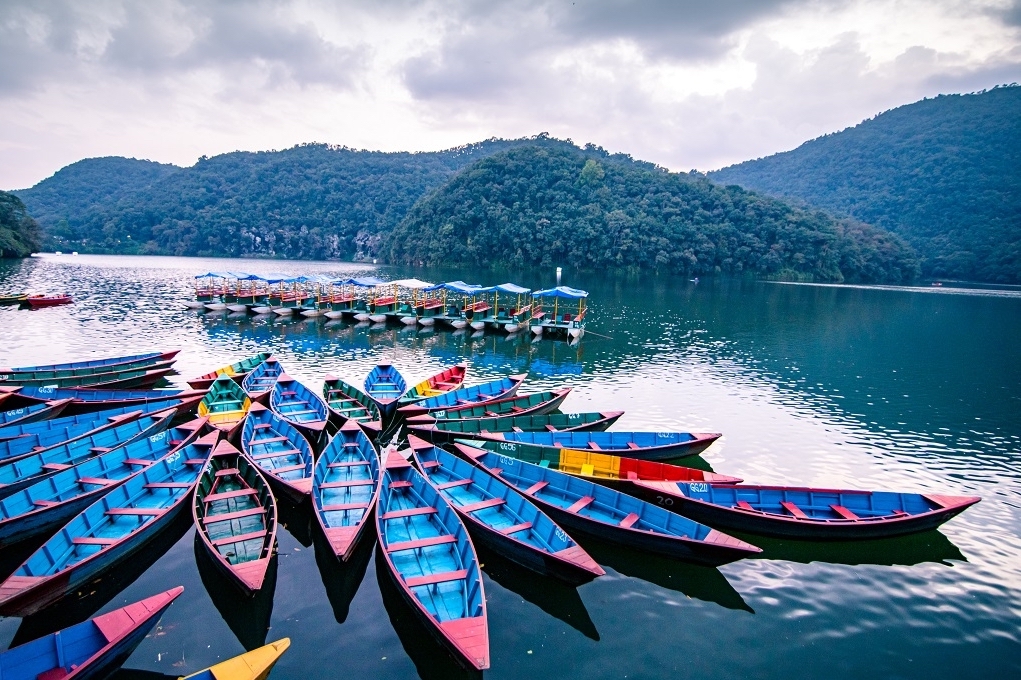
Let’s start with trekking—the heart of Nepal’s adventure scene. The Everest Base Camp trek (that’s 5,364 meters up!) pulls in hikers from all over, thanks to those unreal views of Mount Everest itself. The Annapurna Circuit gives you a whole tour of landscapes and cultures, climbing up to 5,416 meters. Not ready for the big leagues? The Langtang Valley trek (3,870 meters) is shorter and perfect for beginners. High-altitude hiking here isn’t just about the challenge—it’s the memories you bring home.
Now, if you want to swap boots for a paddle, rafting is the way to go. Hit the Trishuli River near Kathmandu (1,400 meters) for rapids that’ll wake you up—class III-IV, so you’re in for a ride. The Seti River near Pokhara (827 meters) is a bit gentler but just as beautiful. Craving something wilder? Bhote Koshi’s drops and canyons don’t disappoint. Rafting in Nepal means big water, big scenery, and big grins.
But there’s more. Wildlife safaris in Nepal’s steamy lowlands are a whole different kind of adventure. Chitwan National Park (150 meters) lets you hop in a jeep or even on an elephant to spot rhinos and—if you’re lucky—a tiger. Bardia National Park (152 meters) is quieter but has Bengal tigers if you’re patient. Float down rivers in a canoe and you’ll spot crocodiles and birds everywhere. These safaris turn a regular trip into something wild.
If you’ve ever wanted to fly, try paragliding in Pokhara. Launch from Sarangkot (1,592 meters) and soar over Phewa Lake, the Annapurna range spread out beneath you. It’s surprisingly affordable, and that 20-30 minute flight gives you views you’ll never forget.
And for pure adrenaline, there’s bungee jumping at The Last Resort near the Tibet border. You jump off a 160-meter-high bridge over the Bhote Koshi River canyon. The safety standards are solid, and if jumping isn’t enough, try the canyon swing too. It’s wild—and a perfect way to cap off your trekking adventures.
The best part? You don’t have to pick just one. Mix it up: start with rafting near Kathmandu, trek through Annapurna, then unwind with a safari in Chitwan. Local guides help keep you safe and comfortable no matter the altitude or activity, so there’s something for every fitness level.
If you’re heading to Nepal in 2026, just remember to book your trek permits early (Everest Base Camp fills up fast!) and pack the right gear for those altitude swings. With a little planning, you’ll get the most out of every wild, beautiful moment Nepal throws your way.
Top Adventure Activities Nepal 2026:
| Activity Key Location | Elevation (m) | Duration | Approx Cost (USD) | Highlights |
| Everest Base Camp Trekking Khumbu Region | Up to 5,364 | 12-16 days | 1,200-2,000 | Mount Everest (8,848 m) views. |
| Annapurna Circuit Trekking Annapurna Region | Up to 5,416 | 10-21 days | 800-1,500 | Diverse landscapes, Thorong La Pass. |
| Trishuli River Rafting Near Kathmandu | (1,338 m) River level | 1-2 days 50-150 Class III-IV rapids. |
| Chitwan Wildlife Safari Chitwan National Park | (150 m) 150 | 2-3 days 150-400 Rhinos, tigers, jungle walks. |
| Pokhara Paragliding Sarangkot | (1,592 m) | Launch 1,592 20-40 min 80-150 Annapurna (8,091 m) panoramas. |
Nepali Cuisine: What to Eat, Street Food Tips, and Dietary Considerations
Get ready to dive into real Nepali food—think steaming dal bhat, spicy momos, and all the street snacks you can handle in Kathmandu and Pokhara. Here’s how to eat well, stay safe, and find tasty vegetarian options in Nepal.
Honestly, Nepali cuisine hooks visitors right from the start. The food’s simple, but it packs a punch. Dal bhat is everywhere. It’s not just a meal, it’s a way of life—lentil soup, a big scoop of rice, and loads of vegetable curries. Throw in some pickles and greens, and you’ve got the classic Nepali experience. People eat dal bhat twice a day, almost like clockwork. It really is the heart of Nepali food.
Then there are momos. If you haven’t tried these dumplings, you’re missing out. They come steamed or fried, stuffed with buffalo, chicken, or veggies, always piping hot and served with punchy chutney. You’ll spot street vendors dishing them out all over Thamel and Kathmandu, and honestly, they’re a street food icon for a reason.
Here, don’t skip Newari food either. Festivals bring dishes like bara (think crispy lentil pancakes), chatamari, and sweet yomari. Buffalo meat pops up in a lot of Newari recipes, adding even more depth to Nepali cuisine. These dishes bring a whole different flavor to the table, and they’re worth seeking out.
Likewise, street food in Nepal is a traveler’s dream if you’re on a budget. There’s chatpate—puffed rice with a hit of spice—samosas, aloo chop, and, during festivals, sel roti, that sweet, ring-shaped bread everyone loves. Quick, cheap, and tasty. What more do you need?
If you’re worried about dietary restrictions, relax—Nepal’s got you covered. Vegetarians have no trouble finding hearty dal bhat and veggie dishes. Jain travelers can ask for food without onion or garlic. And if you need gluten-free meals, go for rice-based dishes. There’s something for just about everyone.
A few street food tips: pick the busy stalls for fresh food, stick to bottled water, and keep hand sanitizer on you. These simple steps make a big difference and keep your food adventures fun (and hassle-free).
Finally, don’t forget the regional twists. Up near Pokhara, Thakali meals fuel trekkers with mountain flavors. Down in the Terai, the curries take on an Indian vibe. Every region has its own spin, and that’s what makes eating in Nepal so much fun.
List of Must-Try Nepali Cuisine Dishes:
- Dal Bhat Tarkari: Lentil soup, rice, vegetables; national dish of Nepal food.
- Momos: Steamed/fried dumplings with chutney; top street food Nepal favorite.
- Chatpate: Spicy puffed rice snack; popular Kathmandu (1,400 m) street food.
- Thukpa: Noodle soup with vegetables/meat; warming high-altitude Nepal cuisine.
- Sel Roti: Sweet rice doughnut; festive Nepal food treat.
Gundruk: Fermented leafy greens; traditional side in Nepali cuisine.
This list highlights essential Nepal food items. It emphasizes variety for dietary preferences. Use it to plan delicious tastings during your Nepal travel.
Cultural Etiquette: Respecting Traditions, Dress Codes, and Social Norms.
If you want to connect with people in Nepal, it helps to get the basics of cultural etiquette right. Show some respect for traditions, dress modestly—especially at temples—and just pay attention to how people interact day to day. These small things go a long way, and they make your travels much smoother.
Here, start with greetings. “Namaste”—palms pressed together, a little bow—is the standard, and it means a lot more than just hello. It’s peaceful. Most people skip handshakes, especially with the opposite gender when meeting for the first time. Stick to the right hand for eating and handing things over. That’s just how it’s done here.
Likewise, you’ll notice people take their shoes off before going into homes or temples. Join in. It’s all about keeping things clean and pure. At religious sites like Pashupatinath Temple in Kathmandu, cover your shoulders and knees. Women often wear long skirts or pants, which is both respectful and comfortable. Modesty isn’t just a rule—it really opens doors for you.
If you visit Buddhist sites like Boudhanath, always walk clockwise around stupas. Never point your feet at deities or at anyone sitting down. Want to take photos of people? Always ask first. Inside monasteries, keep your voice down. These are everyday social norms, but they speak volumes about your respect.
Similarly, show respect for elders—offer them seats and really listen when they talk. Hand things to others using both hands, and skip any public displays of affection. Don’t touch anyone’s head; it’s just not done. Hierarchy and politeness matter a lot here, and people notice when you get it right.
During festivals like Dashain and Tihar, join in—respectfully. It’s fine to accept tika blessings on your forehead; it’s a big part of the experience. Take off your hat inside sacred places. Even picking up a few Nepali phrases makes interactions warmer. A little effort on your part, and people welcome you in.
Moreover, skip leather items near Hindu temples—cows are sacred, so it’s a sensitive spot. Eat with your right hand. If you can’t eat something, just decline politely. Following these social norms helps you avoid causing offense, even by accident.
Most of all, watch what the locals do and follow their lead. Patience and a genuine smile smooth over any awkward moments. Respecting traditions here doesn’t just keep you out of trouble—it leaves people with a good impression and makes your time in Nepal a whole lot richer.
List of Key Nepal Cultural Etiquette Tips:
- Greetings: Use Namaste with folded hands; avoid hugs or kisses in public for Nepal cultural etiquette.
- Dress Codes Nepal: Cover shoulders and knees at temples; remove shoes inside homes and religious sites.
- Photography: Ask permission before photographing people; no photos during sensitive rituals.
- Temple Behavior: Walk clockwise around stupas; do not point feet at altars or elders.
- Social Norms: Use right hand for eating/giving; offer seats to elders; speak softly in sacred spaces.
- Festivals: Accept tika and blessings gratefully; participate modestly during Dashain and Tihar.
Health and Safety: Vaccinations, Altitude Sickness, and Emergency Tips
Planning a trip to Nepal? Don’t overlook your health and safety. A little preparation now means you can enjoy your adventure without worry, whether you’re trekking in the Himalayas or exploring Kathmandu and Pokhara.
Here, start with vaccinations. Before you go, make sure you’re up to date on Hepatitis A and Typhoid—these keep you safe from food and waterborne illnesses. Don’t skip your Tetanus, Diphtheria, and Polio boosters, either. If you’re heading into rural areas, a rabies shot is smart. These vaccines are your first line of defense.
If you plan to visit the Terai region, like Chitwan, talk to your doctor about malaria pills. Mosquitoes are a problem down there, so bring good repellent and use bed nets at night. COVID rules might still pop up from time to time, so keep an eye on updates. And always have your personal medications on hand. Staying proactive about your health pays off.
Likewise, altitude sickness is no joke when you’re trekking above 2,500 meters. Take your time as you climb—acclimatize slowly. If you feel off—headache, nausea, dizziness—don’t try to tough it out. Go down right away if things get worse. Listening to your body here is non-negotiable.
More importantly, clean water is a must. Stick with bottled or purified water, and use hand sanitizer often. Eat food while it’s hot and fresh, and say no to ice in street drinks. Simple steps like these keep stomach issues at bay.
Further, get travel insurance that covers evacuation. High-altitude rescues are pricey if you don’t have coverage. Pack a first-aid kit, and include altitude meds like Diamox. Let your hotel know where you’ll be each day so someone always knows your plans. A little extra prep goes a long way.
If you’re trekking near Everest or Annapurna, hire licensed guides. Follow weather forecasts—they change fast in the mountains. In the cities, avoid walking alone at night. Trust your instincts and use common sense to stay safe.
For emergencies, dial 100 for police or 102 for an ambulance. There’s a tourist police office in Kathmandu if you need help, and hospitals like CIWEC offer good care. Knowing where to turn in a crisis gives you peace of mind and lets you focus on the adventure ahead.
Health and Safety Nepal Essentials:
| Category | Key Recommendations | Details Relevant Areas/Elevations |
| Vaccinations | Nepal Hepatitis | A, Typhoid, Tetanus Consult doctor 4-6 weeks prior Nationwide. |
| Malaria | Prevention Prophylaxis | if needed, repellents Use DEET; sleep under nets Chitwan (150 m), Terai. |
| Altitude | Sickness Acclimatize slowly, hydrate | Diamox preventive; descend if severe Above 2,500 m, Everest (8,848 m). |
| Water & Food | Safety Bottled water, hot meals | Avoid raw salads, ice All Nepal travel areas. |
| Insurance & Emergency | Comprehensive policy, evacuation cover | Carry policy details High treks, remote areas. |
| Emergency Contacts | Police 100, Ambulance 102 | Tourist Police in Kathmandu (1,338 m) Major cities. |
Packing Guide: Essentials for Weather, Treks, and Daily Travel
Actually, Nepal’s got it all—steamy jungles, giant mountains, and everything in between. So, packing smart really matters. You want to be ready for everything, but you don’t want to haul around a ton of stuff either. Here’s how to make it work.
Here, start with layers. Nepal’s weather can flip in a heartbeat, especially when you’re trekking. Go for a good base layer—think merino wool or any moisture-wicking fabric. Next, toss in a fleece or something warm for chilly nights, then finish with a waterproof jacket. Trust me, the rain comes out of nowhere sometimes, especially up in the hills.
Likewise, footwear is a big deal. If you’re trekking, you need boots that actually support your ankles and grip on loose rock. For strolls around Pokhara or just kicking back, sandals work fine. Don’t forget a few pairs of wool socks—they save your feet on long hikes.
Moreover, backpacks make a difference. If you’re walking the trails yourself, a 40-60L backpack fits your essentials without weighing you down. Daypacks (20-30L) are handy for city exploring or short hikes—just enough space for water, snacks, maybe a raincoat. If you’ve got a porter, a duffel bag works too.
Similarly, Don’t ignore health stuff. Nepal’s sun can be brutal, so pack sunscreen, lip balm, and a hat. Water purification tablets keep you safe wherever you fill up. If you’re heading high, talk to your doctor about altitude meds like Diamox, just in case.
Additionally, documents and electronics—keep them close. Carry passport copies, your visa, and proof of insurance. A universal adapter and power bank save you a lot of headaches. And a headlamp? Super useful for those dark, power-outage nights in mountain lodges.
If you’re heading to Chitwan’s jungles, wear light clothes that fend off bugs. For Kathmandu, respect local customs—temple visits call for modest clothing. Stick to quick-dry towels and basic toiletries to keep your bag light.
Honestly, the lighter you pack, the better. You can rent heavy stuff (like sleeping bags) in Kathmandu for cheap. Test your layers before you leave to make sure you’re comfortable. Pack with intention, and your Nepal trip gets a whole lot smoother and way more fun.
Nepal Packing Guide Essentials:
| Category | Key Items | Purpose Relevant Areas/Elevations |
| Clothing | Layers Base thermals, fleece mid-layer, waterproof jacket | Adapt to weather changes Annapurna (8,091 m), Everest (8,848 m). |
| Footwear | Trekking boots, sandals, extra socks | Trail safety, comfort High treks, Pokhara (827 m). |
| Backpack/Gear | 40-60L pack, daypack, trekking poles | Carry essentials lightly All Nepal trekking routes |
| Health/Protection | Sunscreen, water purifier, Diamox, first-aid kit | Prevent illness, altitude sickness Above 2,500 m, nationwide |
| Daily Essentials | Reusable bottle, headlamp, power bank | Convenience in travel Kathmandu (1,400 m), Chitwan (150 m) |
Language Basics: Communicating in Nepali and English Phrases
If you’re planning a trip to Nepal, picking up a handful of Nepali phrases goes a long way. You don’t need to be fluent—just knowing some greetings, numbers, food words, and basic directions will make everything smoother. Nepali is the main language everywhere, but English gets you by in most tourist spots. Still, when you try using Nepali, people notice. You connect faster, and everything feels a bit more welcoming.
Here, start with the basics. Greetings lay the groundwork. “Namaste” works for almost any situation—just press your palms together and give a little nod. “Dhanyabad” means thank you, and “kripaya” covers please when you’re asking for something. Simple stuff, but it opens doors.
Understanding yes and no is just as important. “Ho” means yes, “hoina” means no, and “maaf garnuhos” is how you apologize if you bump into someone or need to excuse yourself. These words make conversations easier, whether you’re in a busy market or a quiet village.
Getting around? “Kaha cha...?” means “Where is...?”—super useful when you’re lost or looking for something. If you’re hailing a cab, “...ko lagi kati ho?” helps you ask about the fare. To introduce yourself, say “Mero naam... ho.” Doesn’t matter if you’re in Kathmandu or out on a hiking trail—these phrases help everywhere.
Similarly, eating out brings a whole new set of words. “Mitho cha!” is what you say when the food’s delicious. “Paani” is water, “chiya” is tea (you’ll drink a lot of it), and “kripaya bill dinuhos” gets you the bill. Knowing these makes every meal more fun—and shows respect for the culture.
Likewise, numbers matter, especially if you’re shopping. “Ek” is one, “dui” is two, “das” is ten. Counting helps when you’re bargaining or making sure you get the right change. Trust me, the shopkeepers appreciate it.
In fact, politeness takes you even further. “Ramro cha” means something’s good. “Hajur” is a respectful way to address someone, and “feri bhetaula” means see you again. These little touches make you memorable and help you build a quick rapport.
Honestly, the more you practice, the more comfortable you’ll feel. In places like Pokhara and Kathmandu, you’ll get by with English, but locals always notice when you try Nepali. It shows you care and makes your trip more rewarding. Just a few phrases can turn a regular visit into something special.
List of Essential Nepal Language Basics Phrases:
- Greetings: Namaste (Hello/Goodbye); Dhanyabad (Thank you); Kripaya (Please)
- Politeness: Maaf garnuhos (Sorry/Excuse me); Ho (Yes); Hoina (No)
- Directions/Food: Kaha cha? (Where is...?); Mitho cha (Delicious); Paani (Water)
- Numbers: Ek (1), Dui (2), Tin (3), Char (4), Das (10)
- Introductions: Mero naam... ho (My name is...); Tapai kasto hunuhunchha? (How are you?)
- Shopping: Kati ho? (How much?); Bill dinuhos (Please give the bill)
Conclusion: Sustainable Travel and Final Tips for an Unforgettable Trip
As you wrap up your trip to Nepal, a few things help you travel smarter and leave a lighter footprint. Sustainable choices aren’t just trendy—they keep Nepal’s wild beauty and rich culture alive for the next wave of travelers. If you want your journey to stand out for the right reasons, it comes down to being mindful, respectful, and just a little bit prepared.
First, make sustainability your travel habit, not an afterthought. Book eco-certified lodges and tours—these places actually care about their impact. Ditch single-use plastics for a reusable bottle and bags. Stay in homestays, buy local, and pick up fair-trade souvenirs. When you travel this way, you don’t just see the Himalayas—you help protect them.
Actually, the Himalayas are fragile, and high-altitude trails like Everest and Annapurna need extra care. Stick to marked paths so you don’t wear down the land. Whatever you pack in, pack out—no exceptions. Biodegradable toiletries? Use them, especially when you’re far from big towns. Responsible trekking keeps these mountains wild for everyone.
Likewise, wildlife in Nepal deserves respect, too. On a Chitwan safari, watch animals from a distance—don’t chase, feed, or crowd them. Skip elephant rides. Walk or take a jeep instead. When you treat animals kindly, you make tourism better for them and for future travelers.
Here, small habits count. At higher elevations like Pokhara, keep your showers short and turn off lights when you leave. If your guesthouse uses solar power, support them. Every bit of water and energy saved actually matters.
In fact, culture is a huge part of what makes Nepal special. Learn about local customs before you go. Join festivals without becoming the main event. Buy crafts straight from artists in Kathmandu’s markets. And don’t forget to tip your guides and porters—they work hard to make your trip smooth.
When planning, stay flexible. Visit popular spots like Pashupatinath early or late in the day to dodge crowds. Try the shoulder seasons for quieter trails and better prices. If you’re flying in, offset your carbon emissions through a legit program. A little extra planning pays off in a big way.
At the end of it all, take a moment to reflect. What kind of impact did you leave behind? Share what you learned with other travelers. Let this trip inspire you to live a little lighter at home, too. The choices you make in Nepal don’t just shape your own adventure—they help keep this incredible place thriving for everyone who comes after.
List of Final Sustainable Travel Nepal Tips:
- Leave No Trace: Pack out trash; stay on trails near Everest (8,848 m) and Annapurna (8,091 m).
- Support Locals: Choose community-run homestays in Chitwan (150 m) and Pokhara (827 m); buy fair-trade souvenirs.
- Eco-Choices: Use reusable water bottles; avoid single-use plastics everywhere.
- Wildlife Ethics: No elephant rides; prefer ethical safaris in national parks.
- Energy Conservation: Short showers, switch off lights in lodges and hotels.
- Carbon Awareness: Offset flights; travel in low-season for reduced impact.