
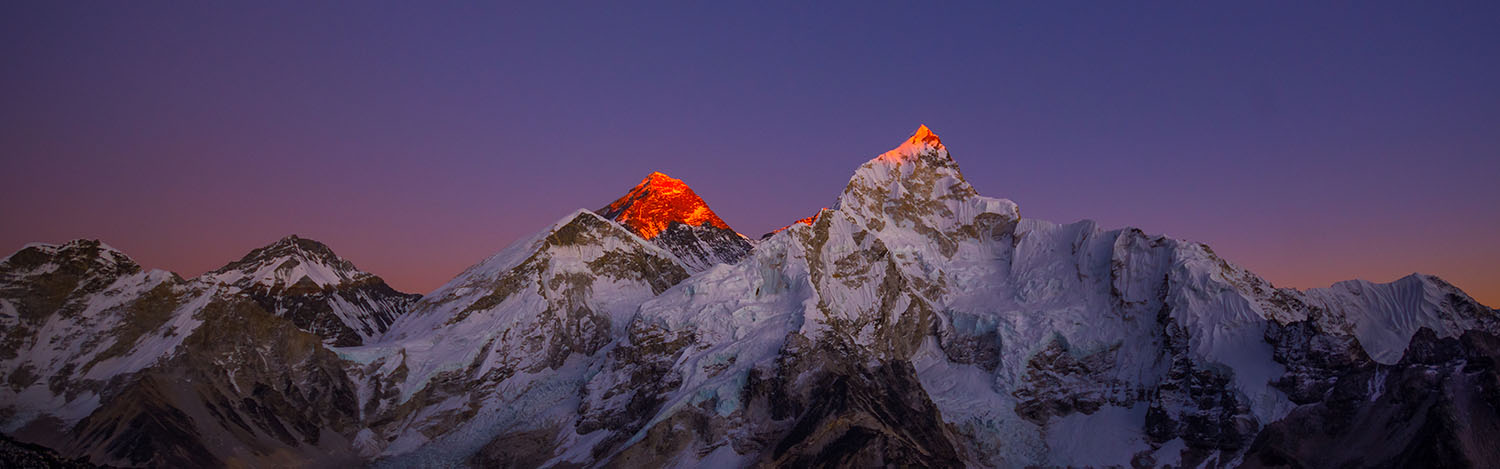
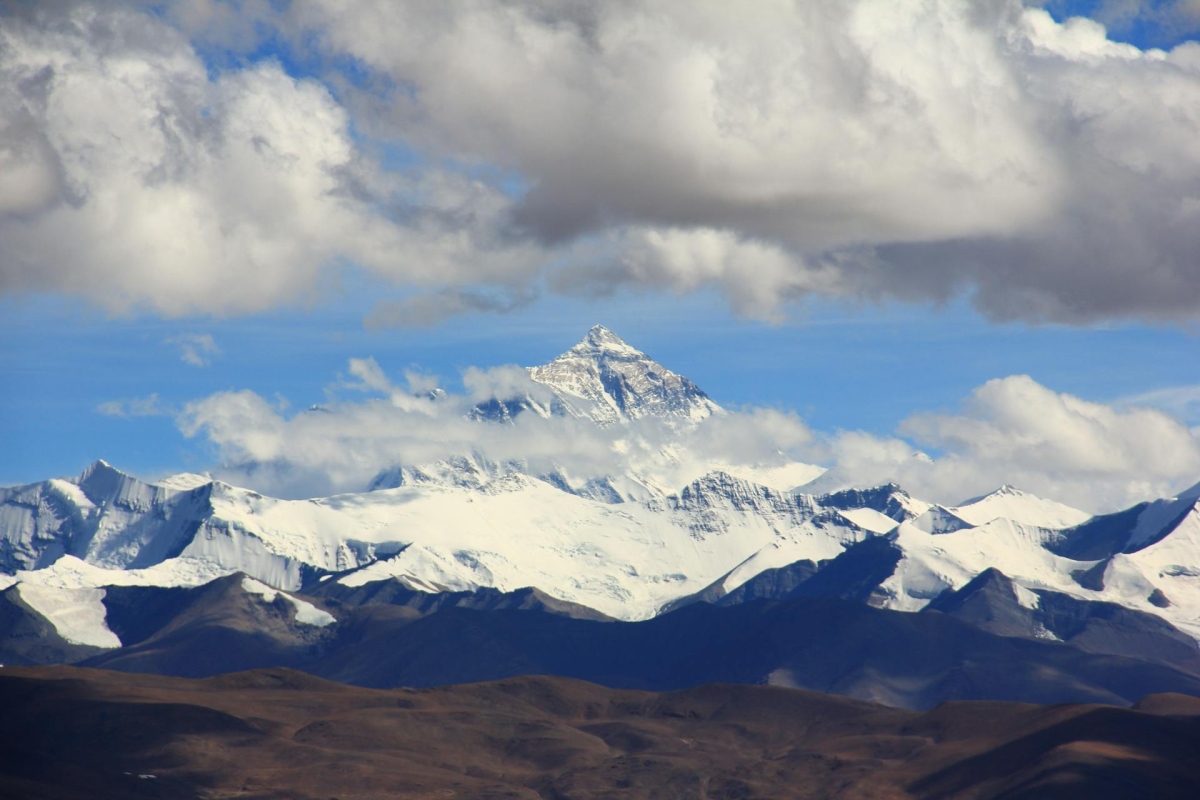
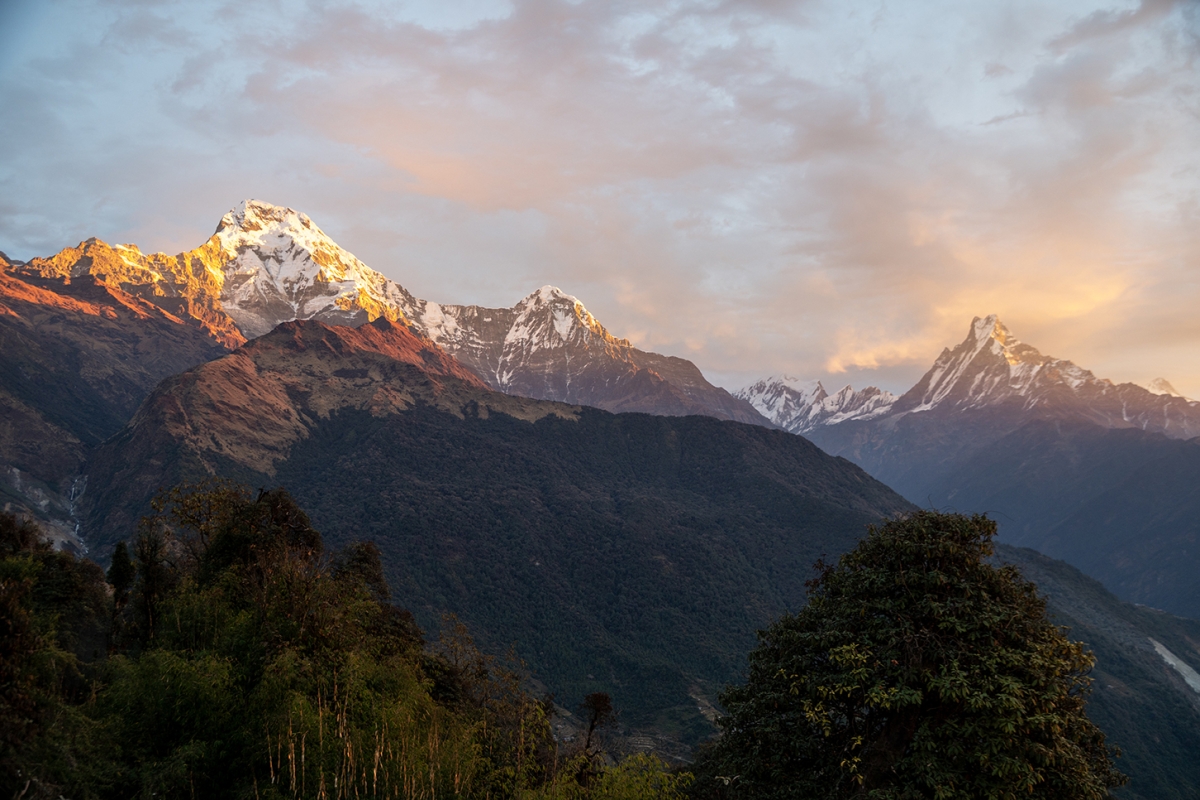
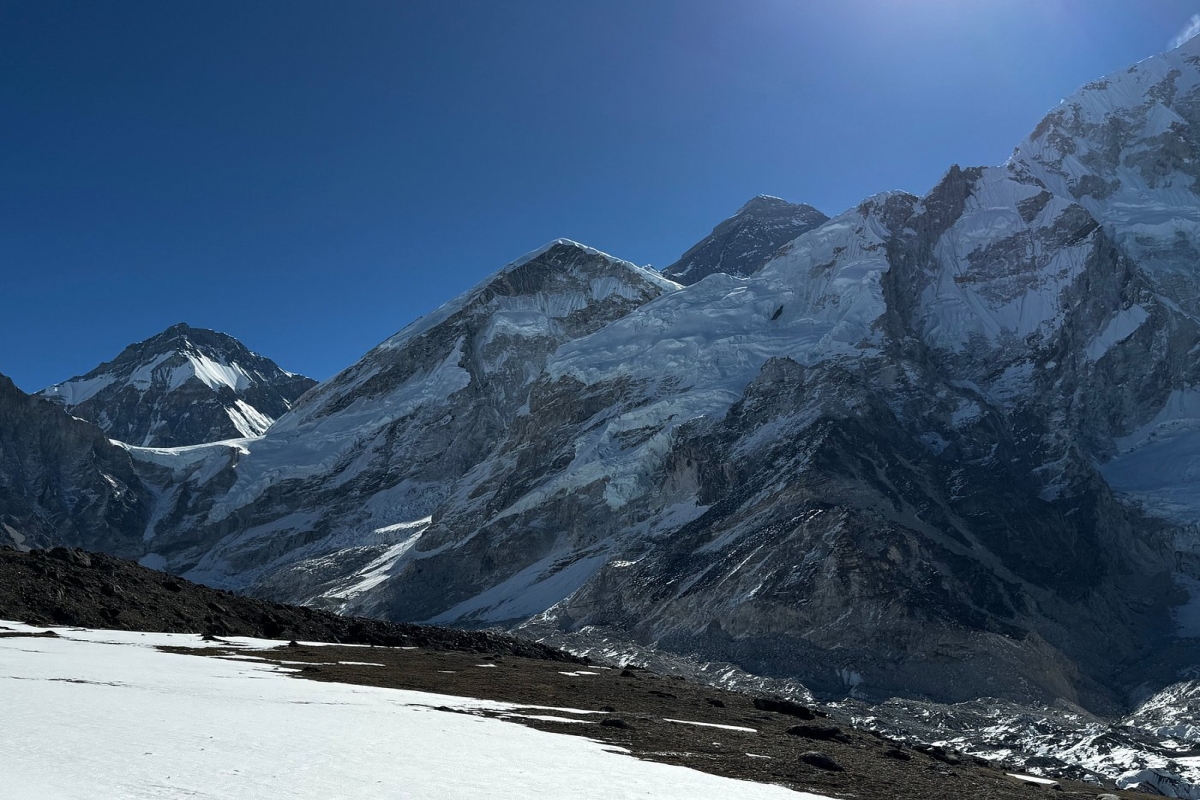
Meanwhile, Nepal pulls in adventurers from all over, and honestly, it’s easy to see why. The country’s trekking trails give you jaw-dropping Himalayan views and an up-close look at local culture. Whether you’re just getting started or you’ve tackled mountains before, there’s a path for everyone. Some folks go for the gentle Poon Hill trek—nothing too wild at 3,210 meters (10,531 feet)—while others push for Everest Base Camp, which sits way up at 5,364 meters (17,598 feet). Teahouse trekking’s a big deal here, too. You get cozy lodges along your route, which makes the whole trip less intimidating. Just watch out—some regions need special permits because they’re considered restricted.
Further, if you want something easy, Poon Hill’s perfect for families and beginners. You still get those sweeping Annapurna views at 8,091 meters (26,545 feet), but you don’t have to bust a lung to see them. Plus, in spring, the trail winds through rhododendron forests—everything pops with color. But if you want a real challenge, Everest Base Camp won’t disappoint. It’s tough, but nothing beats seeing Mount Everest up close at 8,848 meters (29,029 feet). The Annapurna Circuit is another favorite, with wild elevation changes and the mighty Thorong La Pass at 5,416 meters (17,769 feet) thrown in. Just a heads up: the most popular trails get crowded fast, so if you want a spot, plan early, especially in peak season.
Likewise, teahouse trekking really sets Nepal apart. These lodges dish up simple beds and hot meals, and that makes trekking a lot more comfortable. You’ll eat dal bhat and momos, which give you all the energy you need. Some places are super basic, especially in the middle of nowhere, but villages often have surprisingly comfy spots—and prices stay pretty reasonable. Local guides and porters make life easier, too. Guides know the area, and porters carry the heavy stuff, so you can just focus on the trail. Getting there’s straightforward: fly to Lukla at 2,860 meters (9,383 feet) for Everest treks or hop on a bus to different trailheads.
In fact, some regions, like Upper Mustang at about 3,800 meters (12,467 feet), need extra permits/restricted area permit. But it’s worth it—think Tibetan culture, wide-open spaces, and a dry, rugged landscape. Most trekkers sort out TIMS cards and conservation permits in Kathmandu, so that’s where the planning starts. The best weather? Autumn, hands down—September to November brings clear skies and crystal views of peaks like Dhaulagiri (8,167 meters/26,795 feet). Spring’s great, too, with flowers everywhere, but summer monsoon rains can mess up plans. So, check the forecast and pack plenty of layers—temperatures swing fast up there.
Moreover, getting ready means getting fit, no way around it. High altitude spots like Langtang Valley (3,870 meters/12,697 feet) really test your endurance. You need solid boots, rain gear, and time to acclimatize—rushing is a bad idea. Guides don’t cost much and help you through tricky spots, while porters handle the load. If you’re after peace and fewer crowds, try the Manaslu Circuit with its Larkya La Pass at 5,106 meters (16,752 feet). It’s quieter, wilder, and honestly, pretty magical.
Further, some moments just stick with you—like watching the sunrise from Poon Hill as golden light washes over the Annapurnas, or seeing those prayer flags flutter at Everest Base Camp. Meeting Sherpa communities pulls you right into local life, and if you’re lucky, you might even spot a snow leopard in the restricted zones. Just remember to respect local customs. Getting around is easier than it used to be, thanks to jeeps and improved roads to remote trailheads. At the end of the day, trekking in Nepal is this perfect mix of adventure and calm.
Here, the famous trekking routes in Nepal—like Everest Base Camp—are crowded for good reason. You’re looking at iconic peaks and pushing yourself in a place that really tests your limits. But don’t overlook the easier loops, like Ghorepani Poon Hill, which you can enjoy in just a few days. Meals on the trail—loaded with organic veggies and hot tea—keep you going strong. Permits help protect these mountains, and guides connect you to the community. After all’s said and done, trekking in Nepal isn’t just a trip. It changes you, thanks to the wild heights and the warmth of the people you meet along the way.