
Nepal: The Land of Himalayas and Hidden Wonders
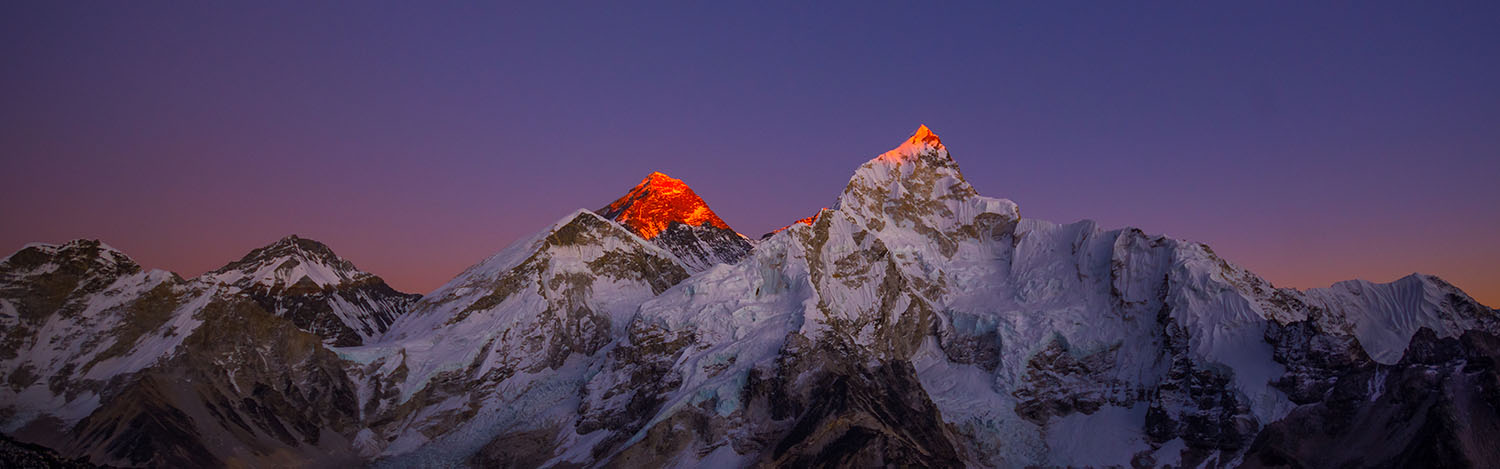
Let’s talk about Nepal—a country that never stops surprising people. Tucked away in the Himalayas, it’s home to Mount Everest, yes, but there’s so much more going on. Nepal isn’t just a place for mountain climbers. Artists, culture lovers, and anyone chasing something different end up falling for it. One minute you’re wandering through ancient temples, the next you’re standing in a wild valley, totally in awe.
Why do people keep coming back? Honestly, it’s the mix. The Himalayas tower above everything, calling out to trekkers and thrill-seekers. But Nepal has this deep, old soul. In Kathmandu Valley, old palaces and shrines are everywhere. The festivals—bright, loud, and full of life—pull you right in. And wherever you go, people greet you with real warmth. You feel it right away.
Adventure junkies? This is your playground. The trekking trails alone could keep you busy for years. Climb peaks that scrape the sky. Go rafting or paragliding if you’re feeling bold. It’s not hype—Nepal really is one of those places where adventure feels endless.
But it’s not all about adrenaline. Culture runs deep here. The festivals are more than just parties—they’re living history. Temples and monasteries show off centuries of art and devotion. And don’t leave without trying the food. Every meal introduces you to a new flavor, a new story.
Even if you think you’ve seen it all, Nepal has a way of surprising you. Head off the main paths and you’ll find quiet villages where life moves at its own pace. Jungles and meadows hide all kinds of creatures. Some corners feel almost untouched, as if time forgot them. Spiritual spots invite you to pause and breathe.
In the end, Nepal has this timeless magic. Whether you come for the mountains, the culture, or just a sense of wonder, the country leaves its mark. And you’ll want to return—trust me.
Key Highlights of Nepal's Captivating Appeal
Himalayan Majesty: Home to Mount Everest (8,848.86 m) and eight 8,000m+ peaks.
Cultural Riches: UNESCO World Heritage Sites in Kathmandu Valley.
Adventure Hub: Trekking, climbing, rafting, and wildlife safaris.
Spiritual Depth: Birthplace of Buddha in Lumbini.
Diverse Wonders: From Terai jungles to high-altitude deserts.
Nepal continues to inspire awe with its unique combination of elements. Visitors return transformed by its magic. The country's warmth and wonders ensure lasting memories.
Geography and Landscape: From Everest’s Summit to the Fertile Terai Plains
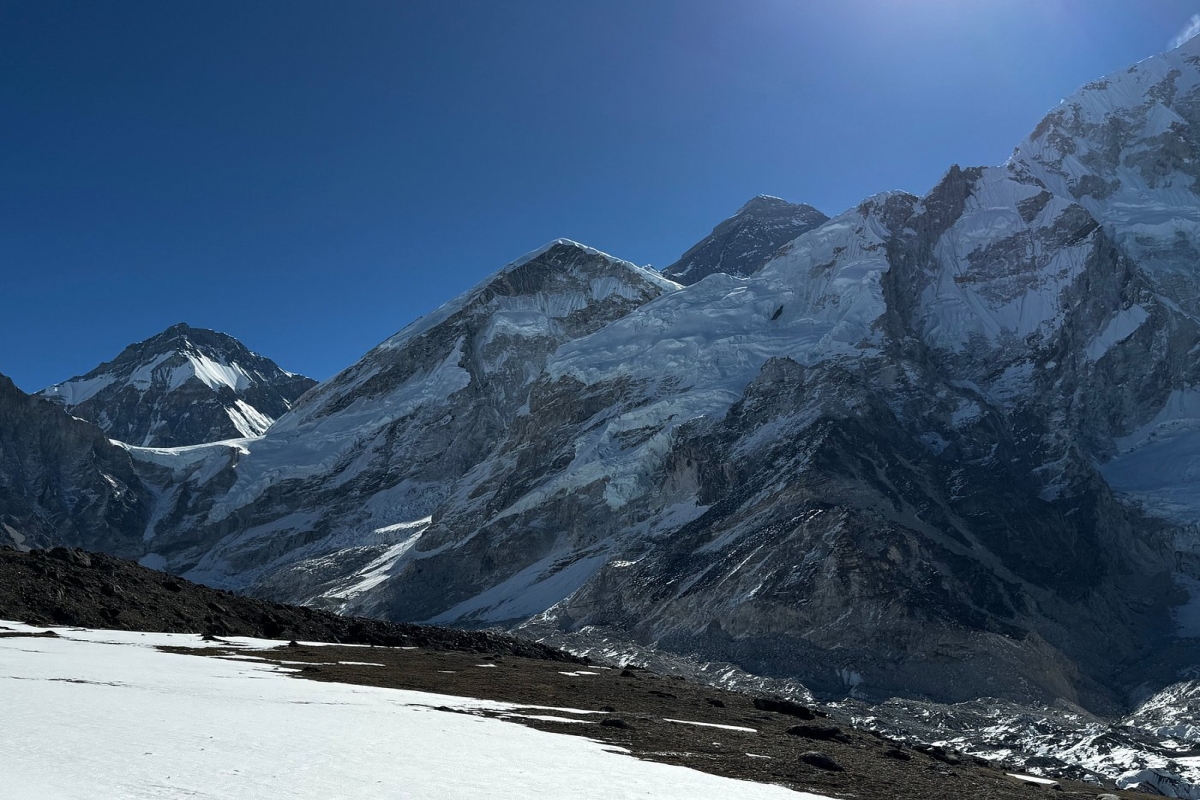
Actually, Nepal packs a world of landscapes into one small country. In the north, the Himalayas rise up with snow and stone, their peaks cutting into the sky. Mount Everest stands tallest at 8,848.86 meters, but it’s not alone—seven more giants soar over 8,000 meters. Glaciers and snowfields sprawl across these heights, while deep valleys slice through the mountains, shaping a rugged, dramatic border.
Move a little south, and you hit the hills. This central belt rolls between 1,000 and 4,000 meters. The Kathmandu Valley, sitting at about 1,400 meters, is the country’s beating heart. Slopes here are a patchwork of terraced fields, and rivers have carved out scenic gorges that attract visitors and support busy towns.
Then, almost suddenly, the land drops to the Terai. These southern plains stretch low—just 60 to 300 meters above sea level. The earth is rich and perfect for farming. Thick, tropical forests fill the landscape, home to wildlife and protected parks like Chitwan. Life in the Terai feels a world away from the icy heights up north.
In fact, Nepal’s geography isn’t just about altitude. Wedged between India and China, the country sits at a crossroads. Its borders follow mountain ridges and river valleys, and those rivers all flow south into the Ganges. From subtropical jungles to arctic peaks, Nepal’s wild mix of landscapes shapes its culture, its people, and its story.
Nepal's Geographic Regions at a Glance
Region Elevation Range Key Features Notable Highlights
Himalayan 4,800 m – 8,848.86 m Snow-capped peaks, glaciers Mount Everest (8,848.86 m), Annapurna (8,091 m)
Hilly/Mid-Hills 1,000 m – 4,000 m Valleys, terraced farms, forests Kathmandu Valley (1,400 m)
Terai 60 m – 300 m Fertile plains, jungles, wetlands Chitwan National Park, wildlife safaris
Here, Nepal's landscape transitions rapidly within short distances. Travelers witness varied ecosystems easily. This geography fuels adventure and exploration. The country's natural variety remains truly remarkable.
Population and People: A Mosaic of Ethnic Groups and Languages
Meanwhile, Nepal’s got about 30 million people, and honestly, it’s one of the most diverse places you’ll ever visit. You’ll meet Chhetris, Brahmins, Magars, Tharus—just to name a few out of more than 140 ethnic groups. People in Nepal speak 124 different languages, so you’re never far from a conversation you’ve never heard before. It’s a real patchwork of cultures, and you feel it everywhere, from the cities to the smallest mountain villages.
If you want numbers, the 2021 census counted 29,164,578 people, and that’s slowly ticking up every year—about a 0.9 percent growth rate. More and more people move to cities like Kathmandu, so you see the demographics shifting all the time.
Likewise, Chhetris make up the biggest group, about 16.5 percent of the population. Right behind them, Brahmin-Hill folks at 11.3 percent, then Magar at 6.9 percent. These groups, along with many others, shape daily life in Nepal in all kinds of ways.
Moreover, there’s even more color with Janajati indigenous communities. Tamangs stand out at 5.6 percent, Tharus make up 6.2 percent, mostly in the Terai, and Newars hold 4.6 percent in the Kathmandu Valley. Each group brings its own traditions, festivals, and stories, so there’s always something happening.
As for languages, Nepali is the official one and almost half the people call it their mother tongue. But Maithili, Bhojpuri, and over a hundred others weave through daily life. Everywhere you go, you hear people switching between tongues—proof that Nepal’s culture is as lively and mixed as it gets.
Major Ethnic Groups and Languages in Nepal
Chhetri (16.45%): Dominant in hills, known for warrior heritage.
Brahmin-Hill (11.29%): Priestly class, influential in education.
Magar (6.9%): Hill Janajati, famous for Gurkha soldiers.
Tharu (6.2%): Terai indigenous, rich in folklore.
Tamang (5.62%): Buddhist-influenced, central hills dwellers.
Nepali (44.86% mother tongue): National unifying language.
Maithili (11.05%): Terai region, Indo-Aryan roots.
Here, Nepal's people blend ancient customs with modern life harmoniously. Visitors experience warm hospitality everywhere. This ethnic and linguistic mosaic invites deeper cultural exploration. The diversity strengthens Nepal's appeal as a travel destination.
Religion and Spirituality: Hinduism, Buddhism, and Living Together
Actually, Nepal feels like a living tapestry of faith. Most people here—over 81%—follow Hinduism. You see it everywhere, from the ancient temples bustling with daily rituals to the huge, lively festivals like Dashain that bring whole neighborhoods together. But that’s not the whole story.
Likewise, Buddhism runs deep, too. It shapes the country in quieter ways. About 8% of Nepalese call themselves Buddhist, and you sense the influence everywhere, especially in places like Lumbini, where Buddha was born. Stupas, prayer flags, and peaceful monasteries draw people from all over the world. Buddhist ideas about peace and compassion aren’t just words here—they’re part of daily life.
What’s really striking, though, is how these religions get along. Hindus and Buddhists often pray at the same shrines. Take Pashupatinath Temple or Boudhanath Stupa—both feel open to everyone, no matter what they believe. There’s a kind of easygoing respect between faiths. People just live and let live.
And it’s not just Hinduism and Buddhism. Islam has a strong presence, especially in the Terai region—about 5% of Nepalese are Muslim. Indigenous beliefs like Kirat Mundhum keep ancient traditions alive. Christianity is growing, too, now making up almost 2% of the population. All these different paths create a spiritual richness you can feel across the country. In the end, it’s mutual respect that keeps Nepal’s religious mosaic strong.
Key Religious Demographics and Sacred Sites
Religion Percentage (2021 Census) Key Sacred Sites Notable Features
Hinduism 81.19% Pashupatinath (Kathmandu), Muktinath Ancient temples, vibrant festivals
Buddhism 8.21% Lumbini (Buddha birthplace), Swayambhunath Stupas, monasteries, pilgrimage center
Islam 5.09% Mosques in Terai regions Sunni majority, community harmony
Kirat 3.17% Mundhum practices in eastern hills Indigenous animist traditions
In fact, Nepal's spirituality offers profound experiences for visitors. Pilgrims find serenity at holy sites easily. Harmonious coexistence inspires global admiration. The country's religious landscape remains truly enriching.
Rich Cultural Heritage: Festivals, Traditions, Art, and Daily Life
Meanwhile, Nepal’s culture feels alive everywhere you look—festivals, music, art, even the clothes people wear. Take Dashain, for example. For fifteen days, families gather, share tika blessings, feast together, and honor Goddess Durga. The whole country feels united, and in some homes, old animal sacrifice traditions still carry on. Right after Dashain, Tihar lights up the nights. People line their houses with flickering oil lamps, give thanks to animals like crows and dogs, and celebrate the bond between brothers and sisters with Bhai Tika. These festivals aren’t just about ritual—they bring people closer and fill daily life with meaning, warmth, and light.
Moreover, music and dance shape Nepal’s identity, too. You’ll hear the beat of the madal drum or the haunting sound of the sarangi at any local gathering. Folk dances like Maruni or Tamang Selo don’t just entertain—they tell stories. The Lakhey Nach, with its wild masks and pounding rhythms, always draws a crowd. Through these performances, communities hold onto their roots and pass stories down, generation to generation.
Likewise, the architecture here is just as striking. Pagoda-style temples seem to rise out of the earth, especially in Kathmandu’s Durbar Squares, where you can get lost in the detail of carved wooden windows and doorways. Stupas like Boudhanath have a quiet power that draws people from all over the world. Even in everyday routines, these artistic touches are everywhere—heritage isn’t just preserved in museums, it’s woven into daily life.
And you can’t miss the clothing. Men in Daura Suruwal and Dhaka Topi, women in Gunyu Cholo, the bright skirts of the Tharu community—each style says something about where people come from and what they value. All the different influences—Indo-Aryan, Tibeto-Mongol, and more—blend together, but everyone keeps their own traditions alive. It’s a mix that makes Nepal feel unmistakably unique, and you can feel that pride everywhere you go.
Major Elements of Nepal's Cultural Heritage
Festivals: Dashain (victory over evil), Tihar (festival of lights).
Music & Dance: Madal rhythms, Tamang Selo, Lakhey Nach performances.
Architecture: Pagoda-style temples, Newari wood carvings in Durbar Squares.
Clothing: Daura Suruwal (men), Gunyu Cholo (women), ethnic variations.
Influences: Indo-Aryan from south, Tibeto-Mongol from north.
Nepal's cultural heritage thrives through daily practices and celebrations. Visitors immerse in authentic experiences easily. This vibrant mosaic defines Nepal's enduring charm. The blend of traditions invites endless discovery.
Historical Journey: From Ancient Kingdoms to Modern Republic
Let’s take a walk through Nepal’s history—it’s quite a ride. Picture this: back in the days of the Licchavi dynasty, somewhere between the 4th and 8th centuries, Kathmandu Valley was already buzzing. The rulers back then really knew how to run things. You can still spot their influence in old stone inscriptions, clever administrative systems, and those beautiful pieces of art and architecture all over the valley. Trade wasn’t just about business—it brought in fresh ideas and new cultures, and honestly, it helped shape what it means to be Nepali.
Then came the Malla period, from the 12th to the 18th century. If you’ve ever admired the temples and palaces in Kathmandu, Patan, or Bhaktapur, you’re looking at the Malla kings’ legacy. They poured resources into the arts, and Newari culture thrived. This era carved out a cultural richness that still sticks with Nepal today.
Fast forward to the 18th century. Prithvi Narayan Shah stepped up and did something huge—he unified Nepal. In 1768, after taking over Kathmandu Valley, he pulled together all those little kingdoms into one country. The Shah dynasty took charge, and for a long time, Nepal was all about monarchy.
But things didn’t stay the same. The monarchy went through its own ups and downs, especially during the Rana era and later when democracy started to break through. Then in 1996, the country was thrown into a civil war. The Maoist insurgency shook the system for a whole decade. It was rough, but by 2006, peace talks finally brought the fighting to an end.
Then came the big turning point in 2008. Nepal said goodbye to its king and became a federal republic. The Constituent Assembly made it official—no more monarchy. The country moved to a new democratic system, held elections, and started fresh. Now, Nepal stands as a federal republic, shaped by all those eras, always moving forward.
Key Eras in Nepal's Historical Journey
Era Time Period Key Figures/Events Major Developments
Licchavi Period 4th–8th century CE Licchavi rulers Early administration, art growth
Malla Period 12th–18th century Malla kings Cultural golden age, architecture
Unification Mid-18th century Prithvi Narayan Shah Conquest of Kathmandu (1768)
Monarchy Era 1768–2008 Shah dynasty, Rana rule Centralized kingdom, political changes
Civil War & Republic 1996–2008 Maoist insurgency, peace accord Monarchy abolished, federal republic
In fact, Nepal's history reflects resilience and adaptation remarkably. Ancient roots inform contemporary identity strongly. The journey to republic marks progressive evolution. Visitors appreciate this layered past deeply.
Nepali Cuisine: Flavors of Dal Bhat, Momos, and Street Delights
Meanwhile, Nepali food is all about bold flavors and comfort. Think dal bhat—steamed rice with lentil soup—served up in almost every household, usually twice a day. It’s not just rice and lentils, though. You get sides like spicy pickles, seasonal veggies, maybe some meat curry if you’re lucky. Plates usually keep filling up until you say you’re full, so you never leave the table hungry.
Then there’s momos. Walk down any street and you’ll find these dumplings steaming in big baskets or sizzling in oil. Buffalo, chicken, veggies—everyone has their favorite filling. What really makes them pop is the spicy chutney you dunk them in. No wonder momos are Nepal’s go-to snack.
During festivals like Dashain or Tihar, sel roti takes center stage. It’s a sweet, crispy ring of rice flour that tastes even better with a cup of tea or a dollop of yogurt. Sel roti isn’t just food—it’s a celebration on a plate.
What you eat in Nepal really depends on where you are. Down in the Terai, dishes lean spicier, with a lot of Indian influence. Up in the Himalayas, people rely on things like tsampa (roasted barley flour) and butter tea to keep warm and full. In Kathmandu Valley, Newari cuisine brings out feasts of meats and unique flavors you won’t find anywhere else. Every region puts its own spin on tradition, and that’s what makes Nepali food culture so rich.
And when it comes to eating together, there’s a lot of respect in the rituals. People use their right hand for eating, always try not to waste food, and hosts insist you take seconds. Sharing a meal in Nepal isn’t just about filling your stomach—it’s about building connections and showing you care.
Popular Dishes in Nepali Cuisine
Dal Bhat: Rice, lentils, vegetables, achar—daily staple.
Momos: Dumplings with chutney—street favorite.
Sel Roti: Rice donut—festival treat.
Thukpa: Noodle soup—Himalayan comfort food.
Gundruk: Fermented greens—unique tangy side.
In fact, Nepali cuisine blends comfort with bold tastes invitingly. Travelers discover authentic flavors everywhere. This culinary heritage enhances Nepal's appeal enduringly. Food experiences create lasting memories joyfully.
Practical Essentials: Currency, Money Matters, and Getting Around
Let’s talk about money in Nepal. You’ll use the Nepalese Rupee (NPR) everywhere—right now, $1 gets you about 145-146 NPR. ATMs are easy to find, so grabbing cash isn’t a hassle. Most travelers spend anywhere from $25 to $90 a day, depending on how fancy you want to get. Getting around? Buses, flights, taxis—they’re all there and pretty straightforward, whether you’re watching your budget or just want something easy.
Likewise, the Rupee runs the show for daily spending. Banks and authorized money changers handle exchanges safely, and you usually get a fair rate. If you’re heading out to the countryside, stash some small bills—they come in handy. Credit cards work well in bigger cities, and digital wallets are catching on, though not everywhere just yet. Nepal’s actually pretty good at blending the old ways of paying with the new.
Moreover, exchange rates stay steady—around 145 NPR for a dollar, at least as of March 2026. Always check the official rates from Nepal Rastra Bank before swapping money, and skip the street changers. You’ll find higher fees at hotels and airports, so it pays to compare before you exchange.
Additionally, daily costs can fit most budgets. Backpackers get by on $25 to $40 a day. If you want a bit more comfort, $50 to $90 is enough for better rooms and meals. Food, places to stay, and rides around town won’t drain your wallet. Nepal’s a great spot if you want your money to go further.
In fact, getting around is easy. Tourist buses link up the big cities, and if you’re in a rush or heading somewhere remote, hop on a domestic flight. In cities, taxis and ride-shares are everywhere. Whatever you choose, travel in Nepal stays pretty smooth.
Nepal Transportation Options Overview
Mode Typical Cost (USD) Best For Notes
Tourist Bus $8-30 one-way Kathmandu-Pokhara, long distances Comfortable, scenic routes
Domestic Flight $40-220 one-way To Lukla, Pokhara, remote regions Time-saving, weather-dependent
Local Bus/Public $0.20-2 per ride Short city trips Cheap but crowded
Taxi/Ride-share $2-8 short ride Urban areas like Kathmandu Negotiate fares, use apps like Pathao/Indrive, Yango
Private Car/Jeep $50-150 per day Groups, flexible travel Includes driver
In fact, Nepal's practical essentials support hassle-free exploration. Currency handling and transport prove traveler-friendly. Budget planning ensures enjoyable visits. These basics empower confident adventures in Nepal.
Safety, Security, and Travel Tips: Staying Safe in Nepal
Meanwhile, Nepal’s doors are open to travelers, and the welcome feels genuine, even when the country faces challenges. Most places are safe, but smart travelers know a little preparation goes a long way. Here’s what you need to know to stay safe, healthy, and ready for anything in 2026.
Let’s talk about tourist safety first. After the violent protests in September 2025, things feel a bit unpredictable, and some governments now suggest thinking twice before visiting. With elections set for March 5, 2026, you might see some demonstrations or rallies pop up. Still, the main tourist spots—Kathmandu, the classic trekking routes—stay pretty calm. Overall, risk for visitors ranges from low to moderate, as long as you keep your wits about you.
Here, Natural risks are part of the landscape. Earthquakes happen in this region, so it pays to stay aware. And if you’re trekking above 2,500 meters—especially on Everest’s trails—altitude sickness can hit hard, fast. Don’t take chances: acclimatize properly and get solid travel insurance before you go.
In fact, health-wise, play it safe. Only drink bottled or purified water—seriously, don’t take risks with the tap. In the Terai lowlands, mosquitoes carry illnesses, so pack repellent. Measles and cholera still pop up in some spots, so talk to your doctor about vaccinations well before you fly.
Politically, things have been shaky since the 2025 unrest. Protests and government shake-ups led to sudden curfews and other disruptions. Avoid big crowds, keep an eye on local news, and follow any advice from local authorities. With a little caution and common sense, you’ll make the most of your time in Nepal—and stay safe along the way.
Essential Safety Tips for Travelers in Nepal
Civil Unrest: Monitor news; avoid protests and demonstrations.
Altitude Sickness: Ascend gradually; carry Diamox medication.
Earthquakes: Know evacuation plans; stay in safe structures.
Health Precautions: Vaccinate against hepatitis, typhoid; use repellents.
General Security: Secure valuables; use licensed guides and taxis.
In fact, Nepal rewards prepared travelers with incredible experiences. Tourist safety improves with awareness and planning. These precautions minimize risks effectively. Enjoy Nepal's wonders confidently and responsibly.
Government and Modern Nepal: Federal Democracy, Economy, and Future Outlook
Actually, take a look at Nepal today and you’ll see a federal parliamentary republic in action—a system shaped by the 2015 Constitution. Power flows through three layers: the central government manages national issues, seven provinces handle the regions, and local units take care of day-to-day needs in their communities. The President holds a ceremonial role, but real authority rests with the parliament and the Prime Minister.
Likewise, the House of Representatives—Nepal’s lower house—chooses the Prime Minister and plays a big part in running the country. The Supreme Court stands guard over judicial independence. Elections decide who represents the people, so the whole structure leans into federal democracy.
Economically, Nepal stands on three main legs: tourism, agriculture, and remittances. Every year, trekkers and climbers pour into the Himalayas, keeping the tourism industry busy. Most people still work in agriculture, just as they have for generations. On top of that, money sent home from Nepalis working abroad makes up a big chunk of the national income. Together, these sectors keep the economy afloat, even when times get tough.
But there’s no denying the challenges. Political instability keeps rearing its head, and external shocks—like the 2025 unrest—really shook people’s confidence. Growth predictions for 2026 aren’t as bright as before. Corruption and weak infrastructure slow things down. Still, there’s hope. Reforms are in motion, aiming to set Nepal on a more sustainable, stable path for the years ahead.
Key Pillars of Modern Nepal's Economy
Sector Contribution Key Features Current Challenges
Tourism Major foreign exchange earner Trekking, Everest (8,848.86 m), cultural sites Post-unrest decline in arrivals
Agriculture Employs majority workforce Rice, maize, cash crops Weather dependency, low productivity
Remittances ~25-30% of GDP From Gulf, Asia, Europe workers Brain drain, migration reliance
Hydropower Emerging growth area Export potential Investment delays
In fact, Nepal's government and economy show resilience amid transitions. Future outlook depends on stability and reforms. Enduring appeal lies in natural beauty and cultural richness. Modern Nepal continues to inspire hope and progress.